
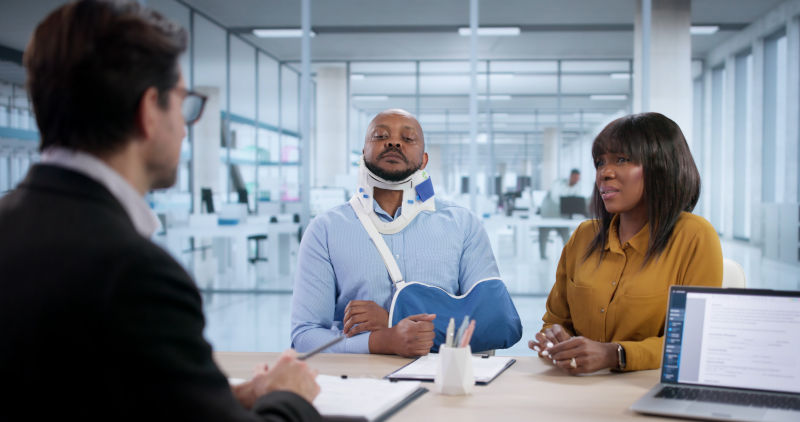
Risk management no longer belongs to just one department.
A workplace injury, vehicle accident, property claim, or safety incident can affect nearly every part of an organization. Human Resources, Safety, Finance, Legal, and Risk Management teams may all be involved, often at the same time.
Although teams may review the same incident, they often do not work from the same information.
When departments use disconnected systems, spreadsheets, or incomplete reports, organizations may miss critical patterns that influence claims costs, safety, and operational risk.
The key issue is not just ownership of risk management, but whether teams share a unified perspective.
A more important question is:
Is everyone seeing the same information?
Why Risk Management Requires Cross-Department Visibility
Every department views incidents through a different lens.
This is understandable, as each team has distinct responsibilities, priorities, and operational goals.
Human Resources Asks:
“How quickly can employees safely return to work?”
HR teams focus on employee well-being, staffing impacts, return-to-work coordination, workers’ compensation communication, and documentation requirements.
They require visibility into claim status, medical updates, restrictions, and timelines.
Safety Teams Ask:
“How do we prevent this from happening again?”
Safety professionals identify root causes, recurring hazards, training needs, reporting trends, and corrective actions.
Their priority is to reduce future incidents before they escalate into larger organizational issues.
Finance Teams Ask:
“What is driving costs?”
Finance leaders evaluate:
- Total incurred claim costs
- Insurance premiums
- Reserve activity
- Budget forecasting
- Loss trends
- Operational financial exposure
Without reliable reporting and analytics, financial planning becomes significantly more challenging.
Legal Teams Ask:
“What exposure exists?”
Legal departments focus heavily on:
- Documentation accuracy
- Litigation exposure
- Compliance concerns
- Investigation records
- Liability trends
- Reporting timelines
Incomplete or delayed information can rapidly increase organizational risk.
Risk Management Asks:
“How do all these pieces connect?”
Risk management professionals connect these elements to reveal organizational patterns and emerging issues.
This requires looking beyond individual incidents to identify broader operational patterns, claim trends, safety issues, reporting gaps, and emerging risks.
Fragmented information in disconnected systems complicates this task.
The Hidden Cost of Disconnected Risk Management Systems
Many organizations still manage critical information in separate locations:
- Safety data may exist in one platform
- Claims information may live somewhere else
- Financial reporting may sit in spreadsheets
- Incident timelines may vary between departments
- Reporting standards may differ by team
Initially, these gaps may seem manageable.
However, over time, disconnected workflows create blind spots that hinder trend identification, cost control, and operational decision-making.
A workers’ compensation claim may reveal a larger workplace safety issue.
A safety concern may expose the company to legal liability.
A legal issue may increase financial risk.
Organizations often do not connect these issues until costs begin to rise.
Five Questions Every Risk Management Dashboard Should Answer
A dashboard should provide more than charts and graphs.
It should deliver meaningful operational visibility to support informed decision-making.
Below are five critical questions a connected risk management dashboard should answer clearly and efficiently.
1. How Many Incidents and Claims Are Occurring?
Organizations require visibility into incident frequency and claim activity over time.
Trend analysis helps identify:
- Increases in workplace injuries
- Department-specific concerns
- Seasonal patterns
- Emerging operational risks
- Areas requiring additional training or oversight
Without centralized reporting, organizations may overlook important trends.
2. Which Claims Remain Open?
Open claims represent ongoing financial and operational exposure.
Leadership teams need visibility into:
- Open workers’ compensation claims
- Liability claims
- Claim duration
- Reserve activity
- Litigation status
- Outstanding action items
This visibility strengthens operational planning and accountability.
3. How Quickly Are Incidents Being Reported?
Timely incident reporting is one of the most important factors in effective claims management.
Delayed reporting can negatively impact:
- Investigations
- Medical intervention
- Documentation accuracy
- Claim outcomes
- Overall claim costs
Organizations should quickly and consistently identify reporting delays across departments.
4. What Is Driving Claim Severity?
Claims analytics should help organizations understand the factors contributing to rising costs.
This may include:
- Claim type trends
- Repetitive injuries
- Specific departments or locations
- Delayed reporting patterns
- Escalating medical costs
- High-frequency incident categories
Improved visibility enables organizations to respond proactively and earlier.
5. What Is the Total Cost of Risk (TCOR)?
The true cost of risk extends far beyond individual claim payments.
Organizations should evaluate broader operational impacts, including:
- Administrative costs
- Productivity loss
- Overtime expenses
- Legal exposure
- Insurance impacts
- Operational disruption
Understanding Total Cost of Risk (TCOR) helps leadership make more informed long-term decisions.
Visibility Should Drive Action
Organizations collect more data today than ever before.
The main challenge is turning information into actionable insight.
The challenge is turning that information into actionable insight.
Modern workers’ compensation software and risk management platforms should do more than document incidents after they occur.
They should help organizations:
- Improve visibility across departments
- Identify trends earlier
- Strengthen accountability
- Reduce reporting gaps
- Support proactive decision-making
- Improve claims management outcomes
The question is not:
“Who owns Risk Management?”
A better question is:
“Is everyone working from the same information?”
Smarter Risk Management Starts with Connected Visibility
Industry discussions continue to highlight the evolving role of risk management across organizations.
As claims, safety, compliance, analytics, and operational reporting become increasingly interconnected, organizations need systems that provide centralized visibility rather than disconnected data silos.
At Recordables, we believe risk management works best when claims management, safety reporting, analytics, dashboards, and operational visibility work together.
Solutions like TrackComp®, TrackAbility®, TrackVerify®, and TrackAlytics® help organizations move beyond fragmented reporting and provide meaningful insight across departments, enabling leadership teams to make smarter, faster, and more informed decisions.

Paul Kofman, President of Recordables, has been providing software solutions in Risk Management, Claims Management, Disability Management, Safety, and Occupational for more than 30 years.